
中文
-
About ANSO
-
News & Media
-
Members
-
Events
-
Programs
-
Publications
-
Get Involved
On October 29, Thematic Session: AI Development and Governance was successfully held in Beijing as a part of the 2025 ANSO General Conference on Science and Innovation. Focusing on AI development and governance, the session was co-chaired by Prof. ZENG Yi, Director of the International Research Center for AI Ethics and Governance, Institute of Automation, Chinese Academy of Sciences (IACAS) and Dean of Beijing Institute of AI Safety and Governance (Beijing-AISI), together with Prof. Seán Ó hÉigeartaigh, Research Professor and Programme Director of the AI: Futures and Responsibility at the Centre for the Future of Intelligence, University of Cambridge. Experts and scholars from multiple countries engaged in-depth discussions on the scientific foundations, governance pathways, and international cooperation mechanisms for the development of AI.
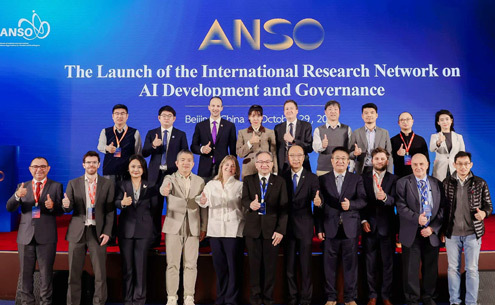
The session also marked the official launch of the International Research Network on AI Development and Governance (AIR-Net). The new network aims to create an open platform for global—and in particular Global South—collaboration in AI. During the launch ceremony, Prof. ZENG Yi noted that AI is becoming a new form of infrastructure with profound implications for social operation and global futures. He emphasized that international scientific collaboration, grounded in scientific principles, is essential to ensure that technological advances benefit all. Prof. Seán Ó hÉigeartaigh highlighted the unique responsibilities of the scientific community in areas such as policy foresight, cross-domain communication, and the safeguarding of public interest, stressing the need for cross-border cooperation to promote more responsible AI development.
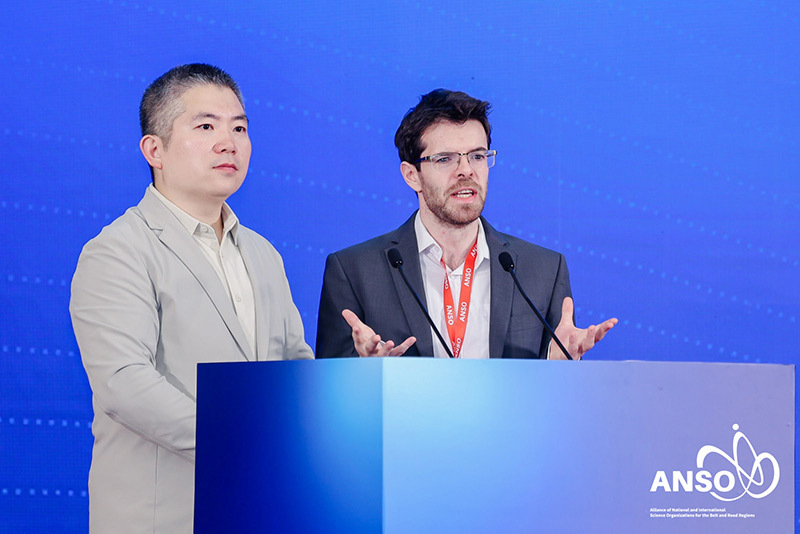
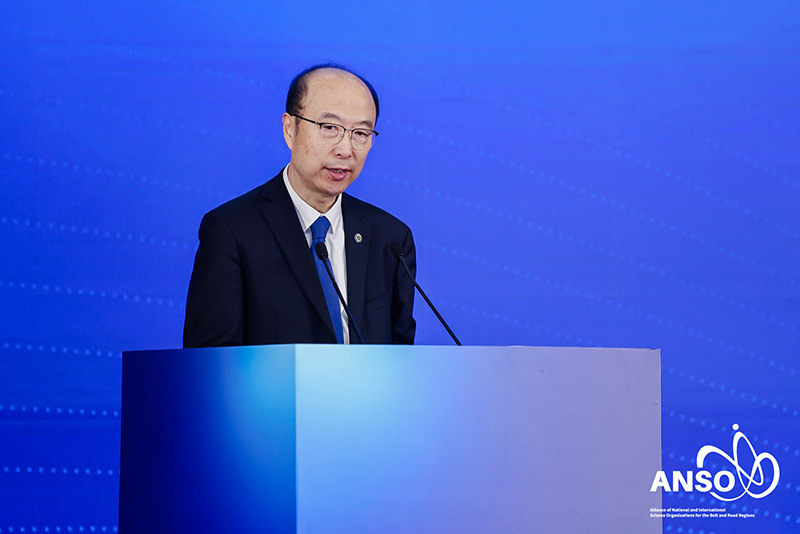
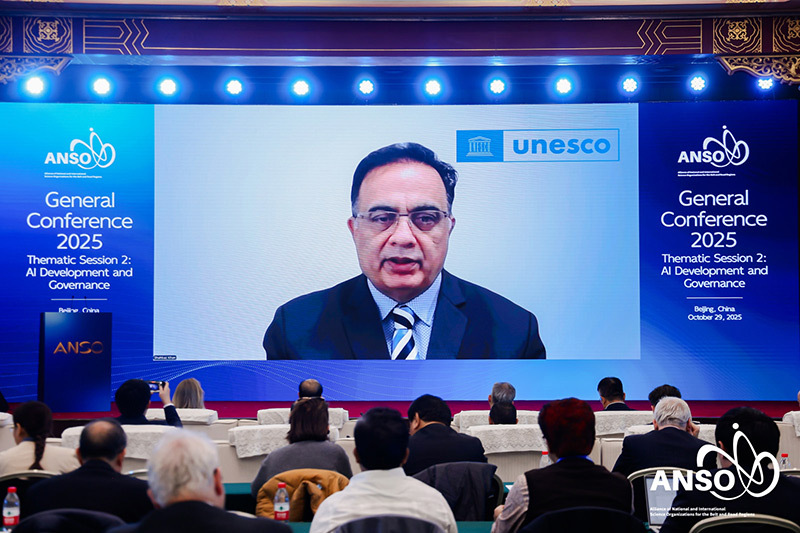
Prof. LIU Weidong, Executive Director of ANSO, noted that the establishment of the network will further strengthen collaboration among ANSO members and foster a more open environment for future AI research. Prof. Shahbaz Khan, Director of the UNESCO Regional Office for East Asia, emphasized that the future of AI must reflect the diversity of human societies and that scientists bear significant responsibilities in promoting ethical norms, strengthening social connectivity, and preventing technological fragmentation. The launch of the network will create new channels for international academic collaboration and enable broader participation of Global South countries in discussions on AI governance.
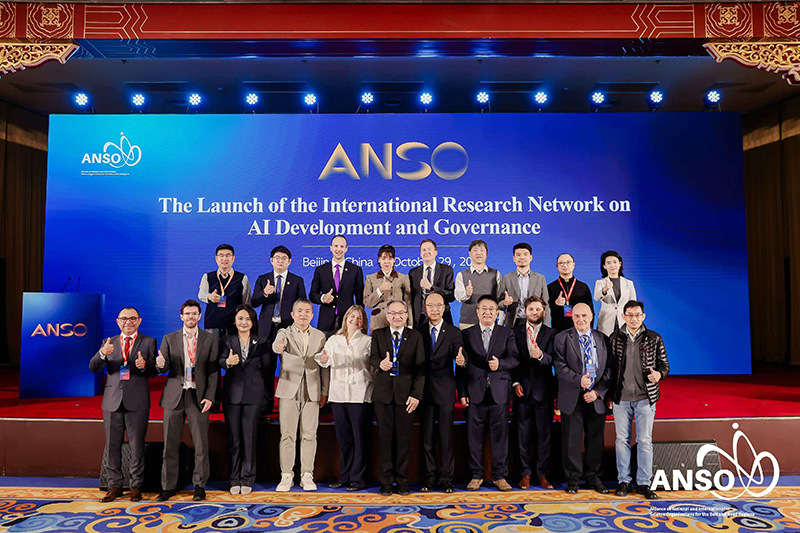
Following the launch, Prof. ZENG Yi and Prof. Seán Ó hÉigeartaigh jointly released the consensus document titled “The Role and Mission of Scholars in AI Development and Governance.” The document identifies four key roles for scholars in the age of AI:
1. Pioneers of Thought, Enlightenment and Scientific Breakthroughs, advocating a long-term perspective and deeper foundational research to advance AI science;
2. Guardians of Values and Ethics, urging cautious reflection on AI’s societal and ecological impacts;
3. Participants in Policy Formation, contributing scientific insight to institutional design and serving as bridges within global governance;
4. Listeners to and Guides for Public Awareness, helping society understand AI’s development stages and potential risks while strengthening public scientific literacy.
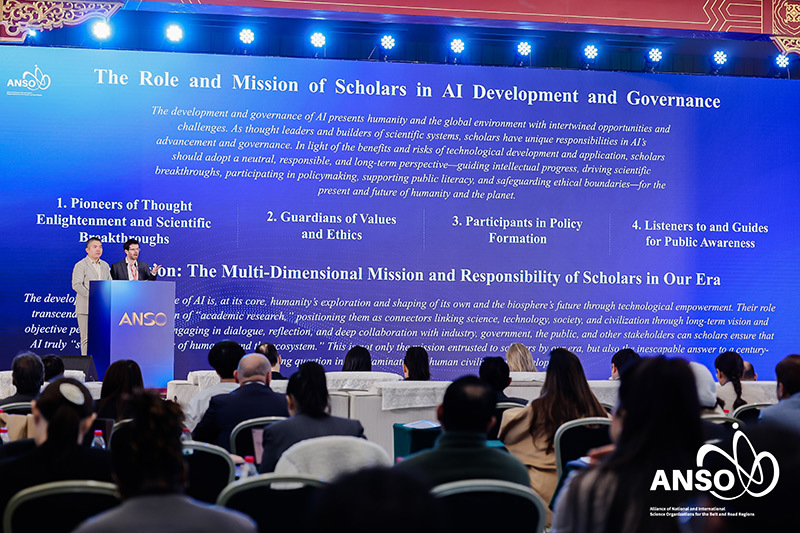
It highlights that AI development is not merely a technological challenge but a defining undertaking in shaping the future of humanity and the ecosystem. As connectors between science, technology, society, and civilization, scholars must approach their work with neutrality, responsibility, and a long-term vision, ensuring that AI truly contributes to the flourishing of humanity and the natural world.
In the thematic speech session, experts from various countries shared their latest research on the foundations of AI, application scenarios, risk understanding, and governance strategies, contributing valuable insights for future international collaboration.
Prof. Sukit Limpijumnong, President of the National Science and Technology Development Agency of Thailand and then President of ANSO, introduced Thailand’s overall progress in AI infrastructure management, talent cultivation, localized applications, and ethical frameworks, reflecting the active engagement of emerging economies in digital transformation.
Prof. Anna Abramova, Professor from MGIMO University and member of the UN High-Level Advisory Body on AI, analyzed how AI is reshaping international trade structures and emphasized the governance challenges posed by the lack of unified regulatory standards.
Prof. ZENG Yi discussed the long-term coexistence between humans and AI from a scientific perspective, calling for a deeper understanding of AI behavioral mechanisms and early development of foundational research on self-awareness, cognitive empathy, and moral reasoning in AI systems.
Prof. Florin Gheorghe FILIP, Academician and President of the Information Science and Technology Section of the Romanian Academy, reviewed global AI policy trends and highlighted the critical importance of cross-border scientific collaboration for addressing future governance pressures.
Prof. SHEN Weixing from Tsinghua University examined key issues in building AI-related legal and regulatory frameworks, including risk identification, regulatory balance, industry self-governance, and accountability mechanisms.
Prof. Michael Witbrock from the University of Auckland stressed the need for more comprehensive approaches to assessing systemic risks arising from AI as it increasingly penetrates social and economic structures.
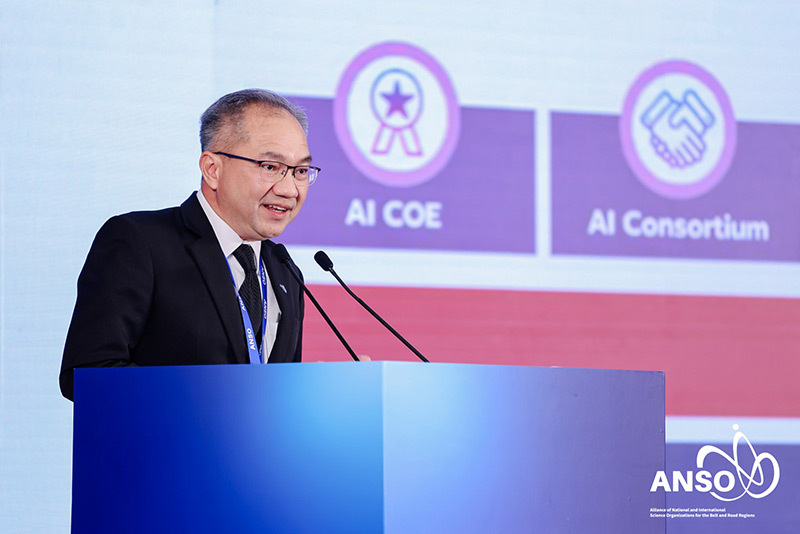
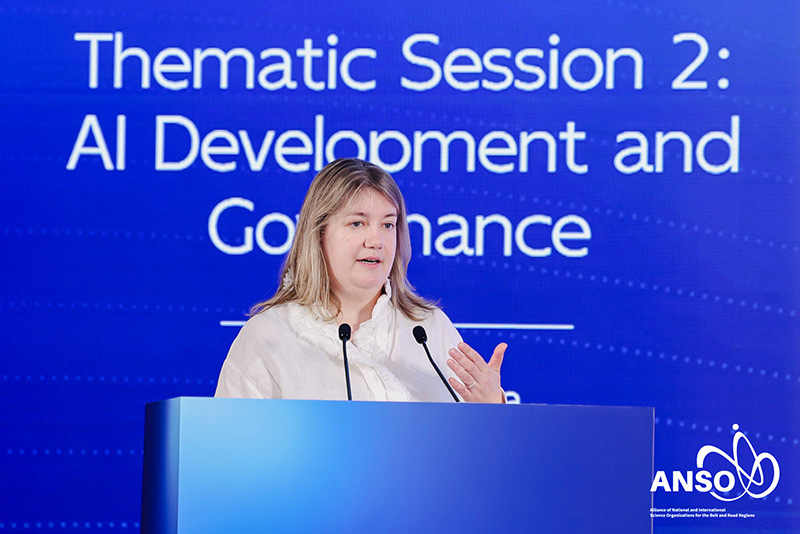
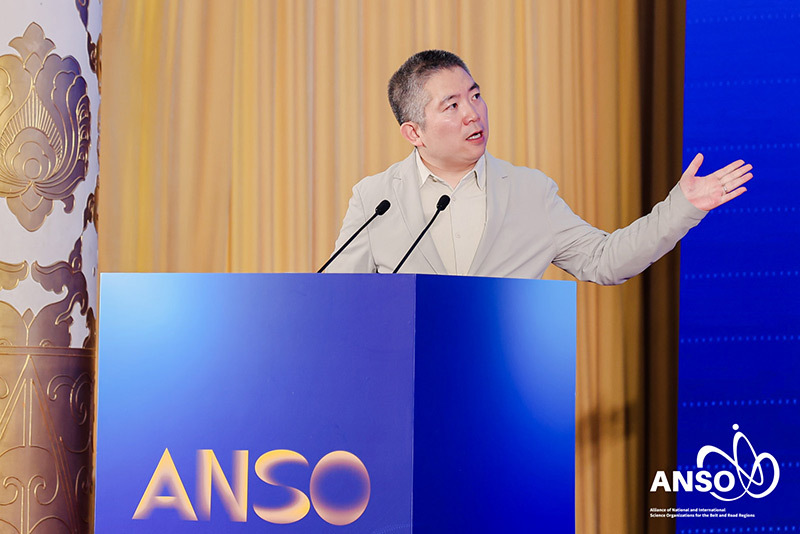
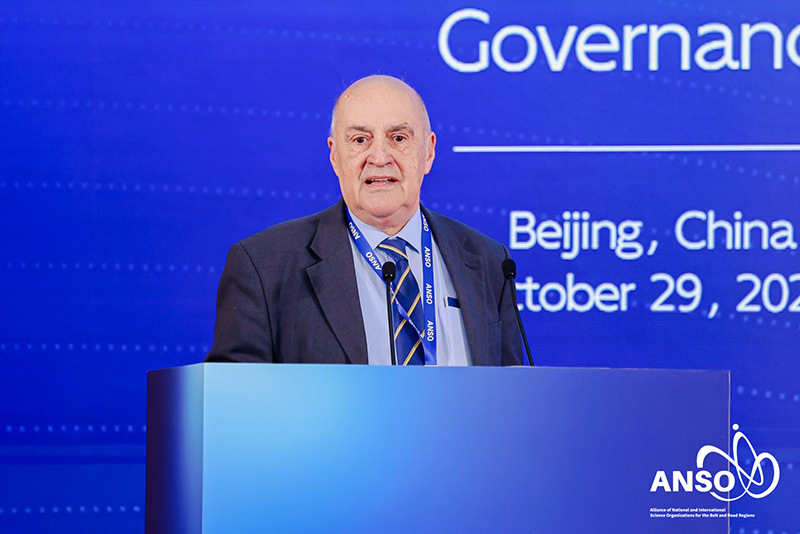
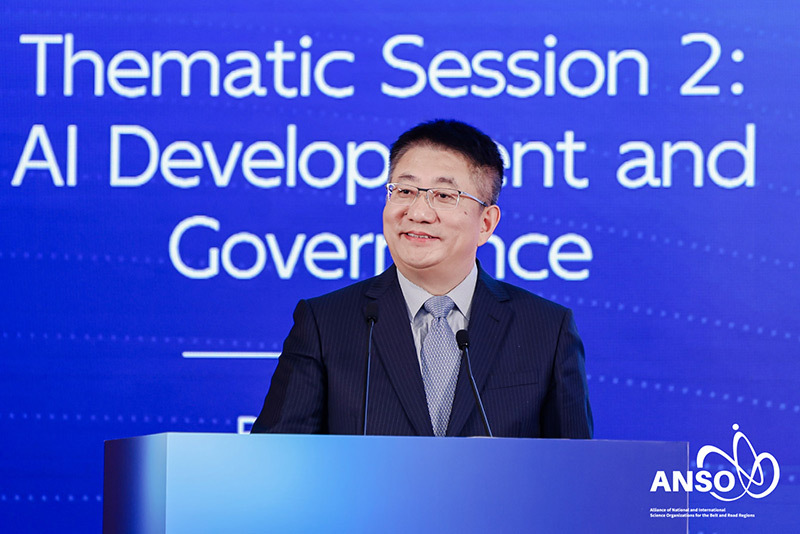
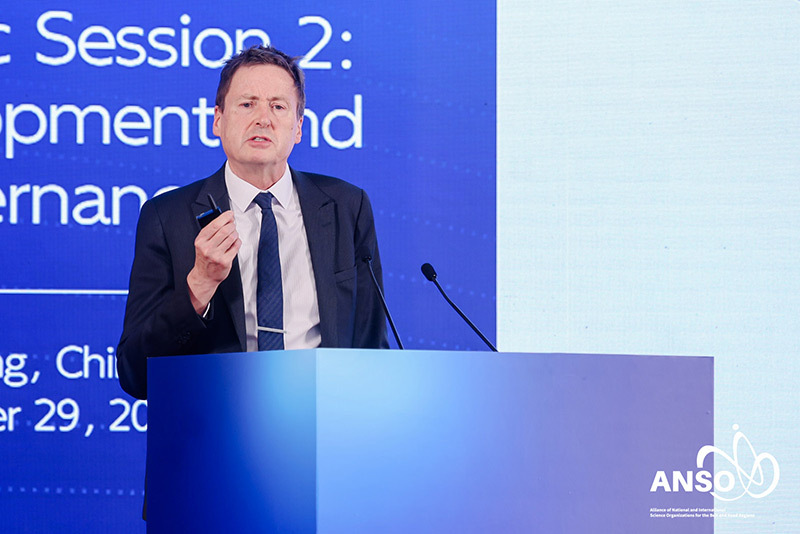
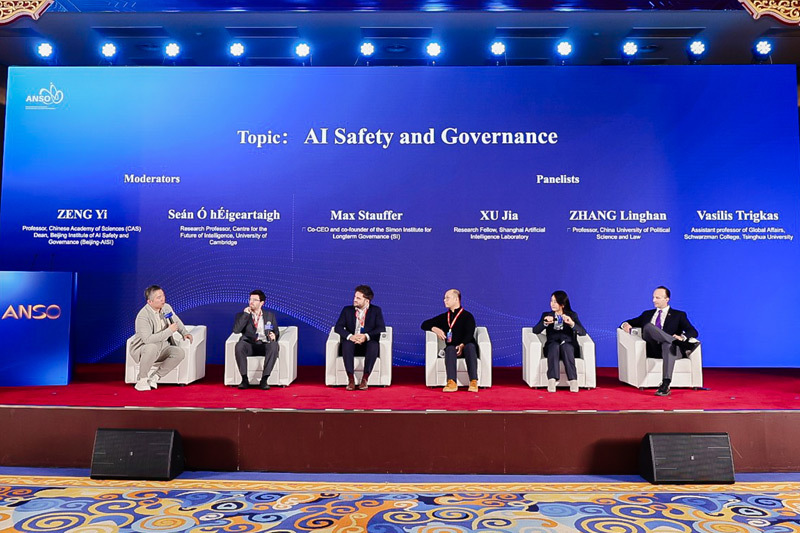
The panel discussion, co-moderated by Prof. ZENG Yi and Prof. Seán Ó hÉigeartaigh, centered on two themes: “Science and Development” and “Safety and Governance.” Experts from different countries exchanged views from the perspectives of education, technology, ethics, and international relations.
In the “Science and Development” section, Prof. Edson Prestes from the Federal University of Rio Grande do Sul advocated integrating problem-solving skills enabled by AI earlier into education systems. Prof. LIU Chao from Beijing Normal University compared large model training processes with human cognitive development, while Prof. HUANG Minlie from Tsinghua University emphasized the importance of improving AI’s emotion recognition capabilities and output reliability.
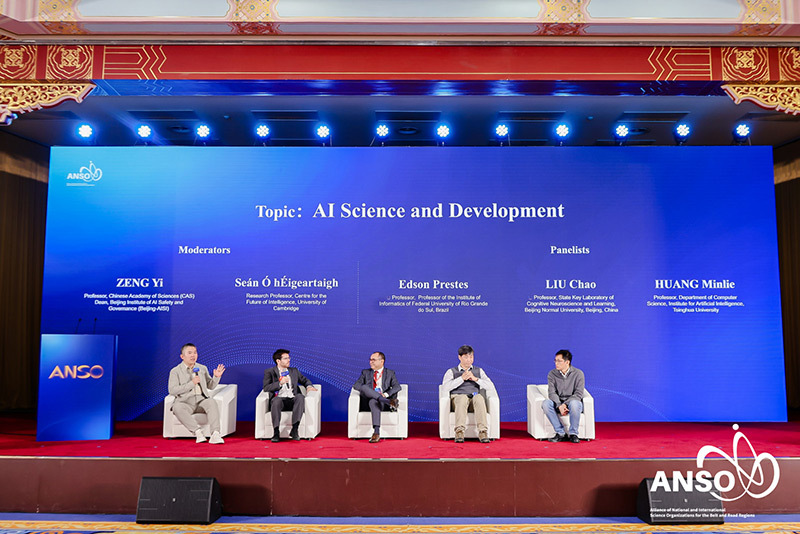
In the “Safety and Governance” section, Max Stauffer, Co-CEO of the Simon Institute, called for strengthening international dialogue to reduce risks of miscalculation. Mr. XU Jia, Research Fellow from the Shanghai Artificial Intelligence Laboratory pointed to the need for a clearer understanding of AI systems’ self-improvement mechanisms. Prof. ZHANG Linghan from China University of Political Science and Law underscored the importance of addressing the governance needs of Global South countries and supporting more effective South-South cooperation. Assistant Professor Vasilis Trigkas from the Schwarzman, Tsinghua University stressed the importance of learning from historical experiences of technological competition to avoid repeating systemic risks induced by great-power rivalry.
Bringing together experts from diverse disciplines and national backgrounds, the session provided a comprehensive discussion on the scientific foundations, societal impacts, ethical considerations, and governance systems of artificial intelligence. The launch of the International Research Network on AI Development and Governance reflects a vision of open collaboration—particularly with the Global South—and is expected to support future multilateral cooperation. Participants agreed that openness, inclusiveness, and partnership should guide the development of AI so that it may contribute to global progress and human well-being.







 No.16 Lincui Road, Chaoyang District, Beijing, China
 86-10-84097121
 anso-public@anso.org.cn