
中文
-
About ANSO
-
News & Media
-
Members
-
Events
-
Programs
-
Publications
-
Get Involved
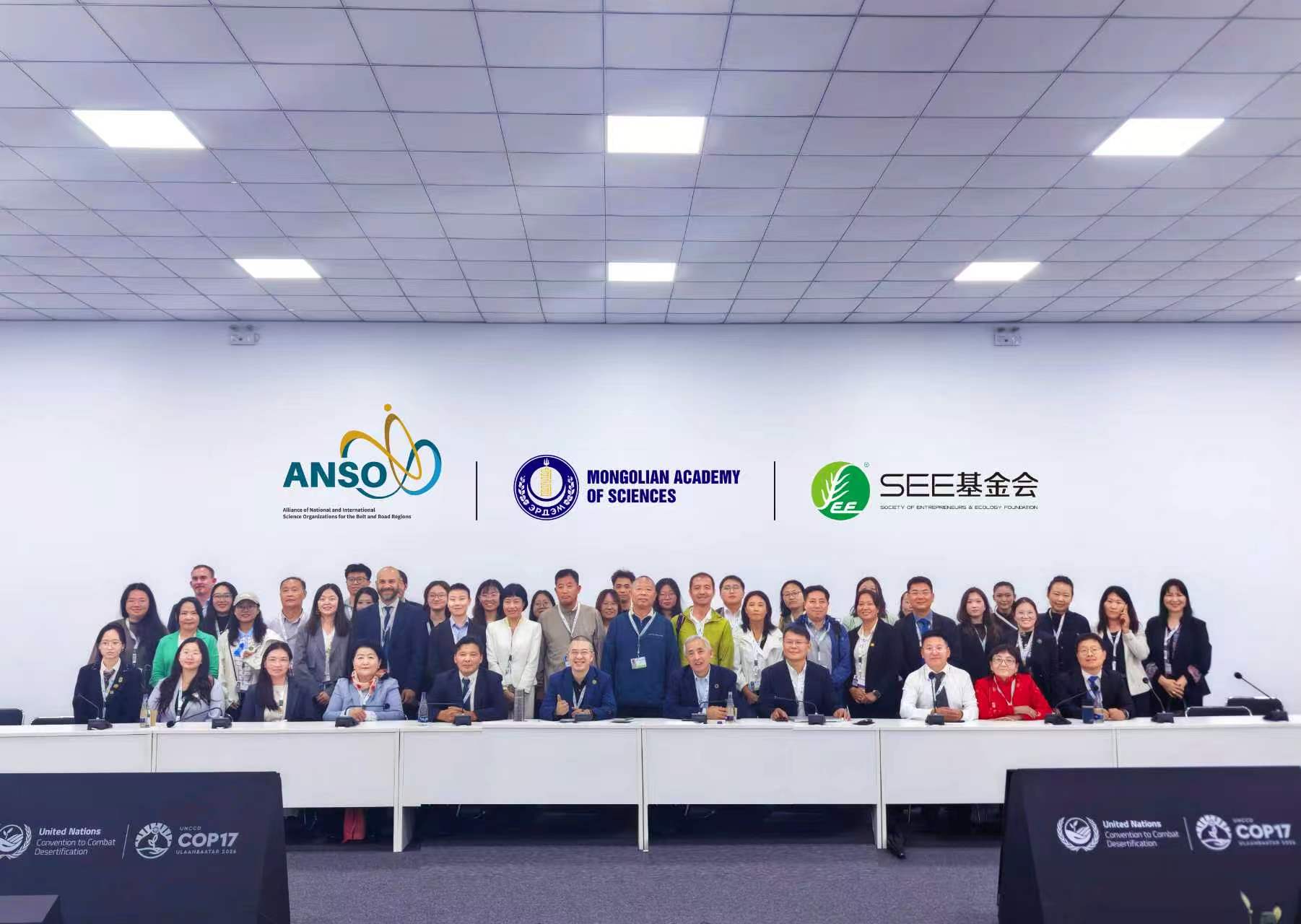
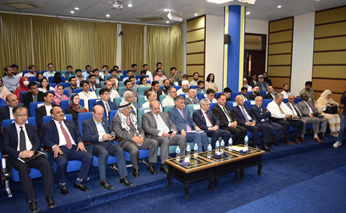
A side-event of the 17th Conference of the Parties to the United Nations Convention to Combat Desertification (UNCCD COP17), themed Science, Innovation, and Partnership for Combating Desertification: China and Mongolia Joining Hands for a Green Future, was organized by the Society of Entrepreneurs and Ecology (SEE) Foundation, and co-organized by ANSO and the Mongolian Academy of Sciences (MAS), a Governing Board Member of ANSO. The event brought together representatives from international organizations and experts from China, Mongolia and other countries, for in‑depth discussions on desertification control and cross‑border ecological cooperation.
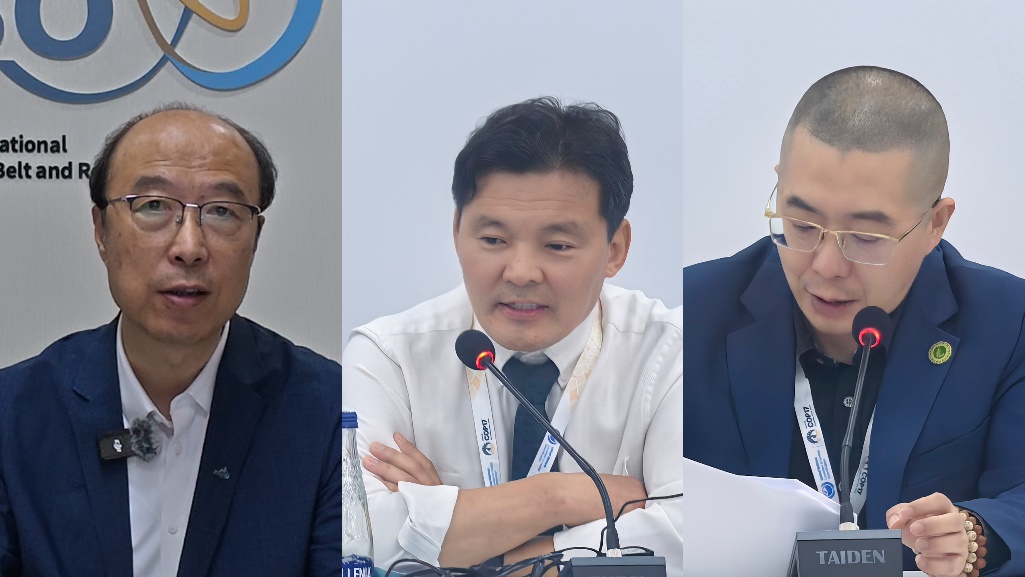
Opening remarks were delivered by Prof. LIU Weidong, Executive Director of ANSO; Acad. Avid Budeebazar, Vice President of MAS; and Dr. YANG Biao, Secretary‑General of the SEE Foundation. All speakers stressed that vast dryland ecosystems lie within the territories of both China and Mongolia. Confronted with similar ecological pressures, the two countries hold considerable potential for bilateral cooperation—a partnership that carries great significance for mitigating regional ecological risks. Prof. LIU Weidong further underscored that amid climate‑driven desertification, drought and biodiversity loss, China‑Mongolia collaboration yields valuable insights for cross‑border ecological governance and global land restoration under the UNCCD framework. He added that ANSO will strengthen ties with MAS and other partners to advance joint research, youth training, and scalable solutions for global land degradation neutrality.
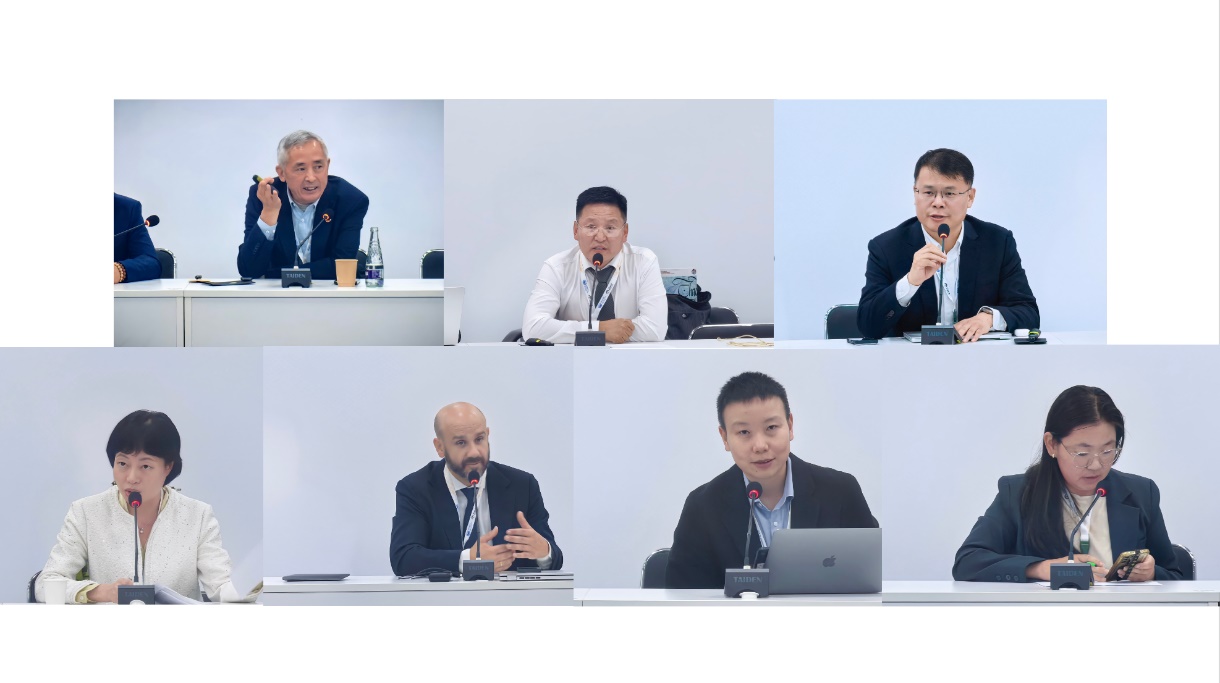
In his keynote presentation, Prof. LU Qi, Chief Scientist at the Chinese Academy of Forestry, shared China’s practical achievements in desertification control rooted in decades‑long research under the Three‑North Shelterbelt Programme. Senior Researcher Batsaikhan Ganbaatar at the Institute of Geography and Geoecology of MAS (IGGMAS) outlined Mongolia’s research progress covering forest ecosystem assessment, afforestation‑driven restoration of degraded lands, and climate‑change impacts on dryland forest ecosystems. Prof. LI Xiaosong from the Aerospace Information Research Institute of the Chinese Academy of Sciences (AIRCAS) and the International Research Center of Big Data for Sustainable Development Goals (CBAS) demonstrated how big data, remote sensing and AI underpin land degradation monitoring and assessment, citing LDN Mongolia, an online monitoring and intervention platform for the Mongolia Plateau.
The panel discussion “How Can Science, Innovation and Partnerships Accelerate Large‑scale Land Restoration?” was moderated by Ms. LIU Yi, Programme Specialist with the Planet Hub at UNDP’s Bureau of Policy and Programme Support. Panelists included Acad. Avid Budeebazar; Dr. Valentin Aich, Senior Water and Climate Specialist at the World Meteorological Organization (WMO) and Coordinator of the Integrated Drought Management Programme; Dr. JI Lin, Senior Climate Change Officer at the Asian Development Bank (ADB); and Dr. Enkhchimeg Tsedensodnom, Senior Researcher at the IGGMAS. Panelists explored scientific research priorities, climate resilience, financing instruments, and forest‑dryland ecosystem restoration. Participants emphasized that land-degradation mitigation is a long‑term, systematic effort that calls for engagement from diverse stakeholders. Scientific monitoring and data‑enabled technologies can generate more robust evidence to inform land‑degradation assessments and restoration decisions. Furthermore, deeper cooperation must be fostered across research institutions, governments, finance bodies, civil‑society groups and local communities. It is critical to develop better financing approaches and community‑led participation models, so that scientific findings can be translated into on‑the‑ground action.
Drawing to a close, the side‑event reaffirmed the value of China‑Mongolia green cooperation. Participants agreed to leverage science, policy and public engagement to develop replicable restoration models, and pledged to continue joint efforts to advance global land degradation neutrality goals.








 No.16 Lincui Road, Chaoyang District, Beijing, China
 86-10-84097121
 anso-public@anso.org.cn