
中文
-
About ANSO
-
News & Media
-
Members
-
Events
-
Programs
-
Publications
-
Get Involved
From November 15 to 17, with the support of the Alliance of National and International Science Organizations for the Belt and Road Regions (ANSO), the International Symposium on the Belt and Road Biomass Resource Comprehensive Utilization Technology, co-hosted by the Institute of Urban Environment, Chinese Academy of Sciences (IUE, CAS) and the Belt and Road Alliance of Urban Environmental Health, was successfully held at the Institute of Urban Environment.
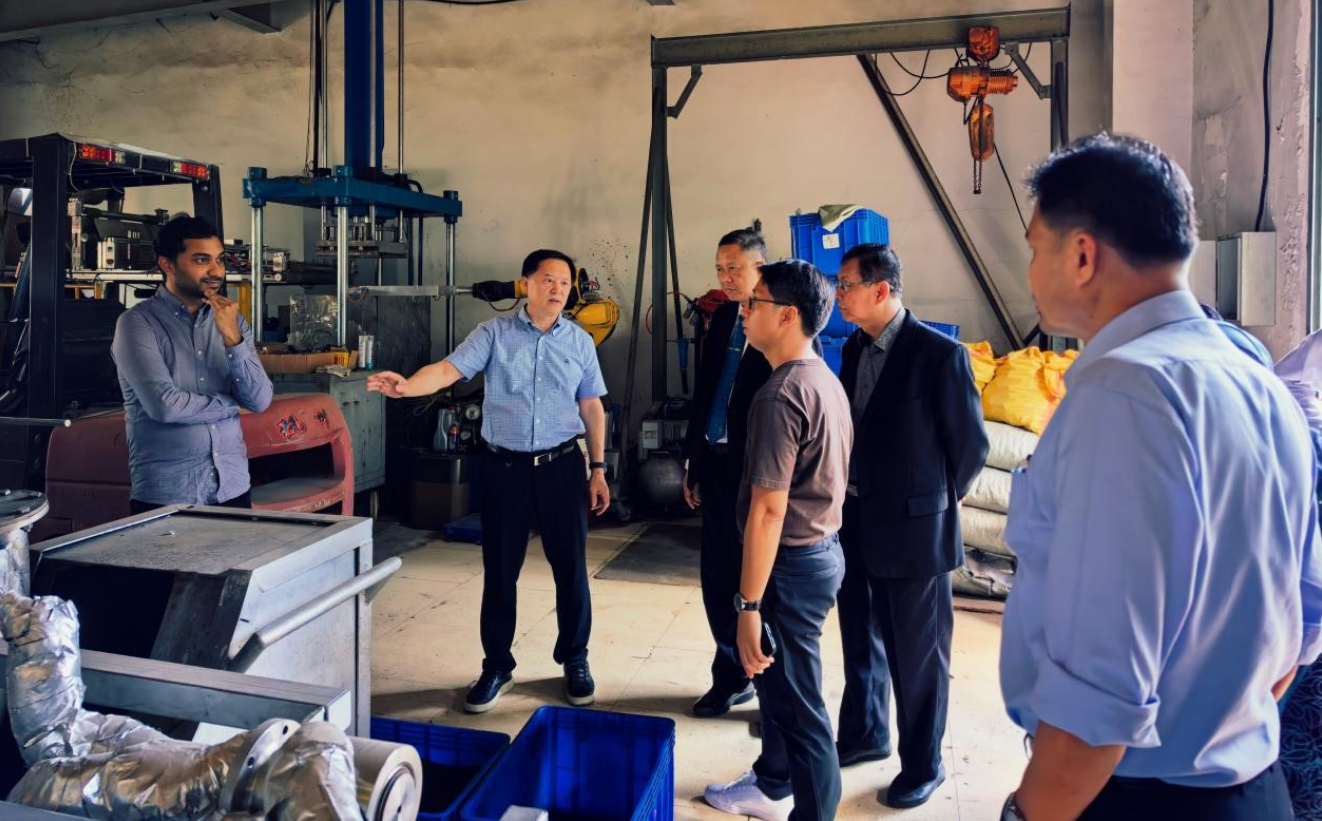
The symposium brought together university professors, researchers and industry representatives from Belt and Road countries to share cutting-edge research achievements and industrial practices. The participants included Dr. Hens Saputra, Director of the Research Center for Process and Technology, National Research and Innovation Agency of Indonesia (BRIN), as well as academic and industrial delegates from Malaysia, Thailand, Singapore and the Philippines, together with researchers from Huaqiao University, Guangzhou Institute of Energy Conversion, CAS and the Institute of Urban Environment, CAS.
The participating experts conducted in-depth discussions on a range of frontier topics. They presented technologies for converting biomass into sustainable energy, advanced carbon materials and polymer materials, kinetic analysis of biomass thermal conversion, green high-value conversion routes of biomass, machine learning-enabled efficient biomass conversion, life cycle assessment of biomass-based chemicals, and the research progress of functional carbon materials in water treatment, carbon capture and catalysis.
Biomass is the fourth major resource after coal, oil, and natural gas, and a type of green renewable energy. Guided by China’s “Dual Carbon” goals, advancing the high-value conversion and utilization of biomass resources to meet the demands of resource supply, energy security, low-carbon transition, sustainable development and public health is of great significance for substituting traditional fossil resources, facilitating carbon sequestration and emission reduction, tackling climate change, and ensuring food security and access to clean water. This symposium has further expanded channels and opportunities for academic exchanges and cooperation between the Chinese Academy of Sciences and research institutions and industrial partners of Belt and Road countries, and fostered cultural mutual learning and friendly exchanges among all participants. Meanwhile, the symposium effectively integrated scientific and industrial stakeholders from Belt and Road countries into the thematic network of ANSO. It has created a replicable and scalable practical model for the Alliance to carry out joint research and policy consultation under the framework of the Sustainable Development Goals and support ANSO’s multilateral scientific and technological cooperation.
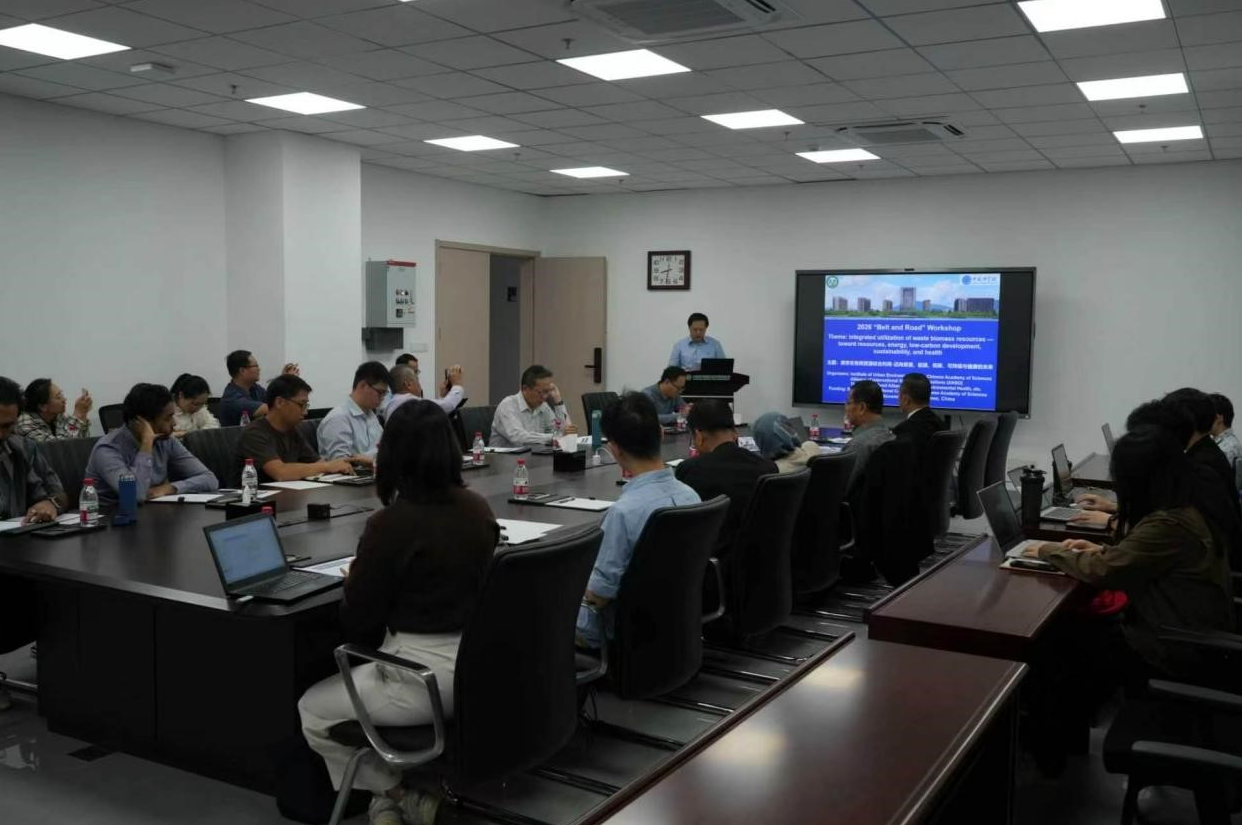
The symposium was supported by the Belt and Road Alliance of Urban Environmental Health under the Alliance of National and International Science Organizations for the Belt and Road Regions (ANSO) (Project No.: ANSO-PA-2023-18). The Alliance is one of the international networks supported by ANSO. Aligned with the United Nations Sustainable Development Goals (SDGs), the Belt and Road Alliance of Urban Environmental Health focuses on sustainable development challenges in Belt and Road countries. It provides technical support and policy recommendations to address environmental health issues, greenhouse gas emissions reduction and other problems arising from urbanization, so as to advance the sound social, economic and environmental development of these countries.








 No.16 Lincui Road, Chaoyang District, Beijing, China
 86-10-84097121
 anso-public@anso.org.cn