
中文
-
About ANSO
-
News & Media
-
Members
-
Events
-
Programs
-
Publications
-
Get Involved
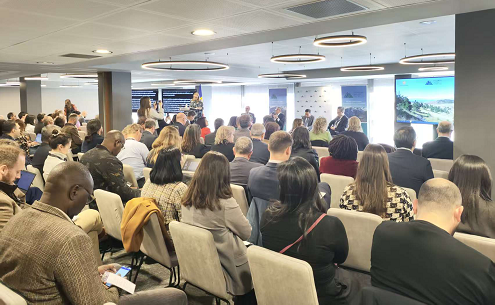
ANSO Symposium on Technological Innovation and Global Collaboration for Environmental Radioactivity” was successfully held on 24-25 April 2026 in Gomel, Belarus, attracting more than 120 participants from China, Belarus, Russia, Kazakhstan, and other countries.
Cohosted by the Institute of Earth Environment, Chinese Academy of Sciences (IEE, CAS) and National Academy of Sciences of Belarus (NASB), the symposium featured a total of 59 presentations. Participants discussed shared challenges in nuclear environmental safety, with a focus on frontier analytical methods for anthropogenic radionuclides and their environmental diffusion, migration, and transformation.
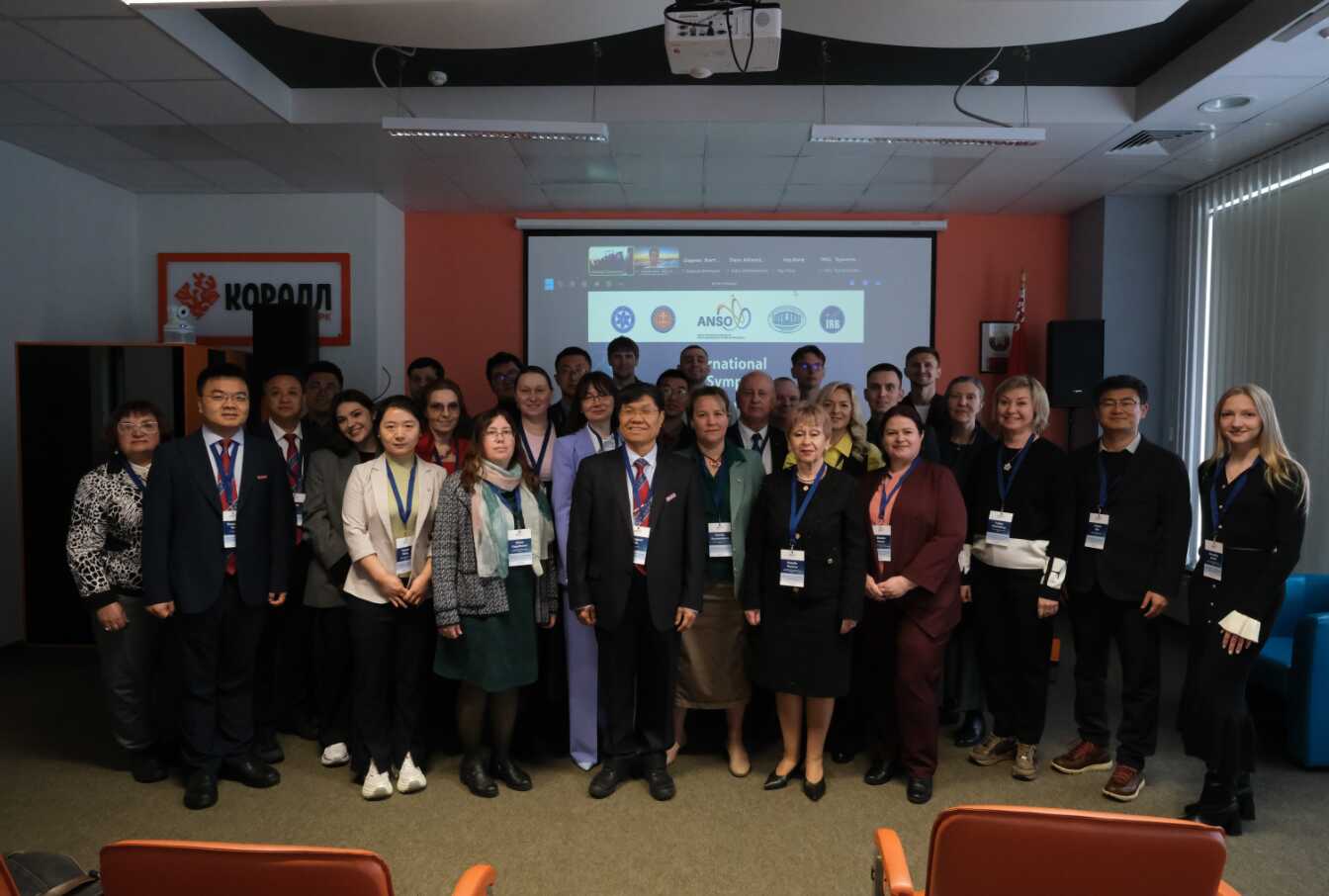
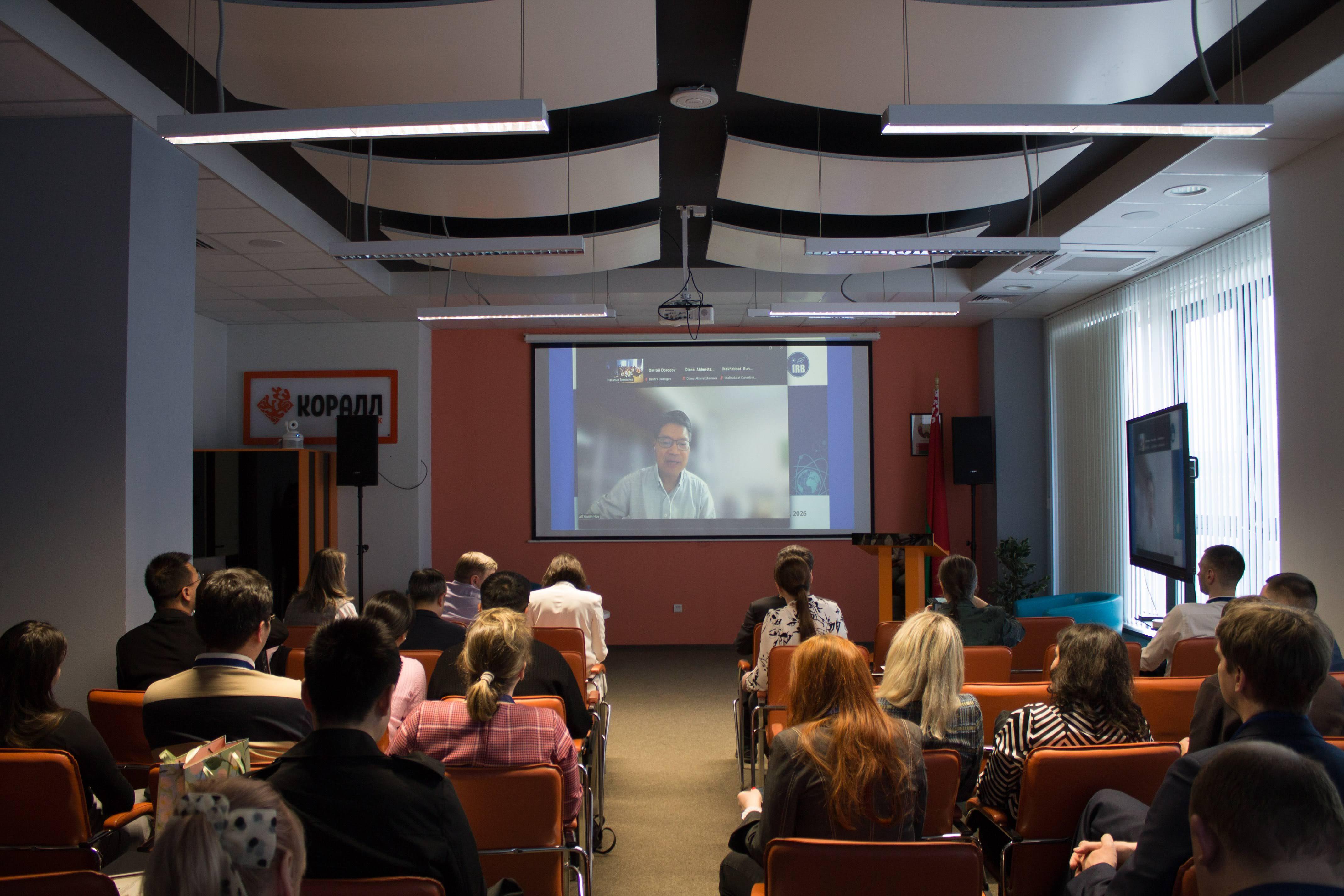
The opening ceremony was hosted by Associate Professor Tsimokhina Natallia, Vice Chair of the symposium and a researcher at the Institute of Radiobiology (IRB) of NASB. Professor Hou Xiaolin, Chair of the symposium and a researcher at the IEE, CAS gave the opening address. He outlined the symposium’s background, and thanked the IRB for the local arrangement and ANSO for its strong support.
During the first session, Prof. Hou, Prof. Natalia Kuzmenkova from Lomonosov Moscow State University, and Director Svetlana Lennik from the Institute of Nuclear Physics delivered presentations and shared their experiences on radiochemical analysis and radioecological research in China, Russia, and Kazakhstan, as well as field investigations in radioecology. Prof. Hou emphasized that environmental radioactivity research is a key frontier field that has continuously advanced alongside national nuclear safety programs. He noted that ensuring nuclear environmental safety has become a central global concern. He also highly commended the significant achievements made by various countries in this field and encouraged participants to engage in in-depth discussions on shared scientific challenges, with the aim of further promoting international cooperation and collaborative research.
During the second session, over 50 senior scientists and young researchers delivered presentations and shared their latest findings. The presentations covered a wide range of cutting-edge topics in environmental radioactivity and radioecology, with particular emphasis on ultra‑trace analytical methods and detection techniques for anthropogenic radionuclides, as well as the migration and transformation mechanisms of radionuclides in soil, aquatic systems, marine environments, and ecological systems. Studies also addressed post‑accident environmental risk assessment and ecological impacts. Additional topics included radioecology, remediation and mitigation technologies for radioactive contamination, biological effects of low‑dose radiation, environmental radioactivity monitoring, and model‑based predictive simulations. Collectively, these contributions highlighted recent advances in analytical methodologies, environmental behavior, and ecological assessment within the field of environmental radioactivity research.
During the discussion session, participating scientists engaged in in-depth exchanges on future research collaboration and talent exchange. Professor Wu Wangsuo from Lanzhou University noted that the symposium had provided a platform for open dialogue and mutual learning among scientists from different countries, helping to strengthen complementary advantages and deepen international cooperation in environmental radioactivity and radioecology, which was fully affirmed by other participants.
The ANSO symposium effectively built consensus and promoted international exchange and cooperation in environmental radioactivity. Several participating institutions signed cooperation agreements, clarifying the core directions and implementation pathways for cutting-edge nuclear environmental safety technologies, and establishing mechanisms for sustained academic exchange and personnel visits. Participants also agreed to hold the symposium biennially, creating a high-level platform for scientists from the “Belt and Road” countries. These outcomes provide scientific support for the sustainable development of global nuclear energy, and contribute practical cooperation pathways and institutional guarantees for regional and global ecological security.








 No.16 Lincui Road, Chaoyang District, Beijing, China
 86-10-84097121
 anso-public@anso.org.cn