
中文
-
About ANSO
-
News & Media
-
Members
-
Events
-
Programs
-
Publications
-
Get Involved
On May 26, 2026, the progress meeting of the CAS-ANSO Co-funding Project entitled "Identification of antibiotic resistance profile on manure-treated agricultural and native grazing soil in Mongolia" (CAS-ANSO-CFRP-2024-08) was held at the Institute of Zoology, Chinese Academy of Sciences (CAS), China. The Mongolia-side PI of the project, Dr. Gantulga Davaakhuu from the Institute of Biology, Mongolian Academy of Sciences (MAS), and his project team, participated in the progress meeting, as well as the following collaborative research seminar with the Institute of Zoology, CAS. Representatives from the ANSO Secretariat were present at the meeting for exchanges.
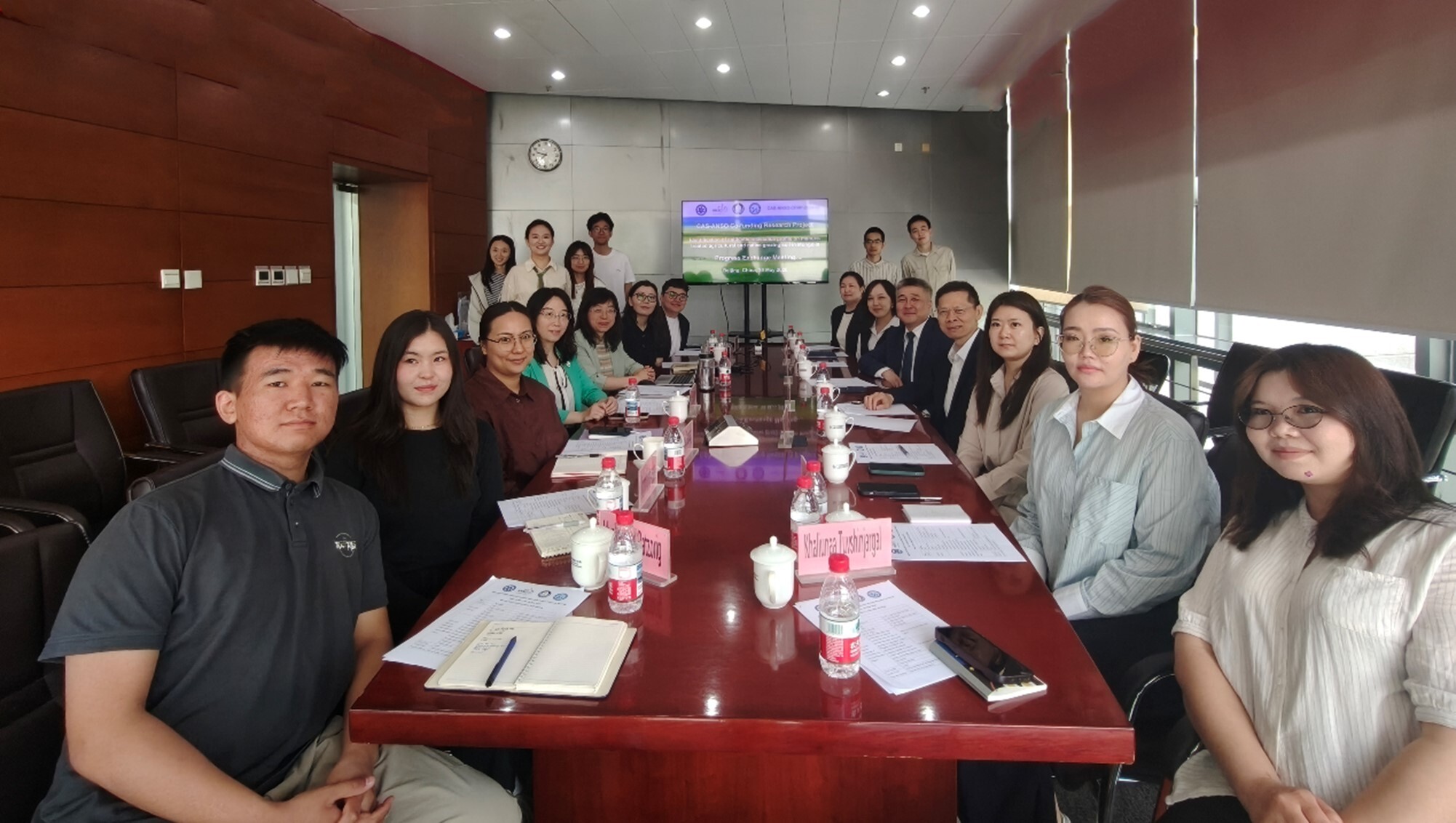
Dr. Zhang Xueying from the Institute of Zoology, CAS, chaired the progress meeting. She extended the warmest welcome to the delegation from the Institute of Biology, MAS, as well as the representatives from the ANSO Secretariat for their presence and guidance.
Dr. Zhang Shizhuan, Deputy Executive Director of the ANSO Secretariat, addressed the meeting. He commented that ANSO attached great importance to this project, as it was highly relevant to the environmental health, agricultural sustainability and ecological security of BRI partner countries. He wished the project a most productive one with high international impact.
Dr. Gantulga Davaakhuu noted that this co-funding project is Mongolia’s first systematic study on soil antibiotic resistance across different regions of the country. It also helps cultivate young researchers. He further highlighted the project’s vital importance to Mongolia, stating that its outcomes will support national initiatives launched by the President of Mongolia, such as the Healthy Food and One Billion Trees programmes.
At the meeting, young Mongolian researcher Bolor-Oyut Batbayar, on behalf of the project team, presented the objectives and significance of the co-funding project. She reported progress in soil sample collection across various geographical regions of Mongolia, laboratory microbiological experiments, gene identification and analysis of soil physicochemical properties, and put forward the work plan for the next phase.
The Chinese Co-PI, Dr. Zhang Xueying of the project elaborated on its research background, contents, targets and schedule. She mainly reported the achievements and established research methodologies in physiological ecology and gut microecology, laying a solid foundation for the subsequent identification of antibiotic-resistant microorganisms and resistance genes under the project.
During the discussion session, Ms. Feng Xiaoyan, Program Officer of the ANSO Secretariat, responded one by one to questions raised by both sides regarding project execution and fund utilization. Researchers from the two sides conducted in-depth exchanges on the progress of studies concerning the characteristics of antibiotic resistance and the distribution of resistance genes in various soil ecosystems across Mongolia. They clarified the methods for isolation and identification of soil bacteria as well as detection protocols for resistance genes, and finalized the follow-up research plans. In addition, the two parties reached a consensus on cooperation mechanisms, including scholar exchanges, technical complementarity, and information sharing.
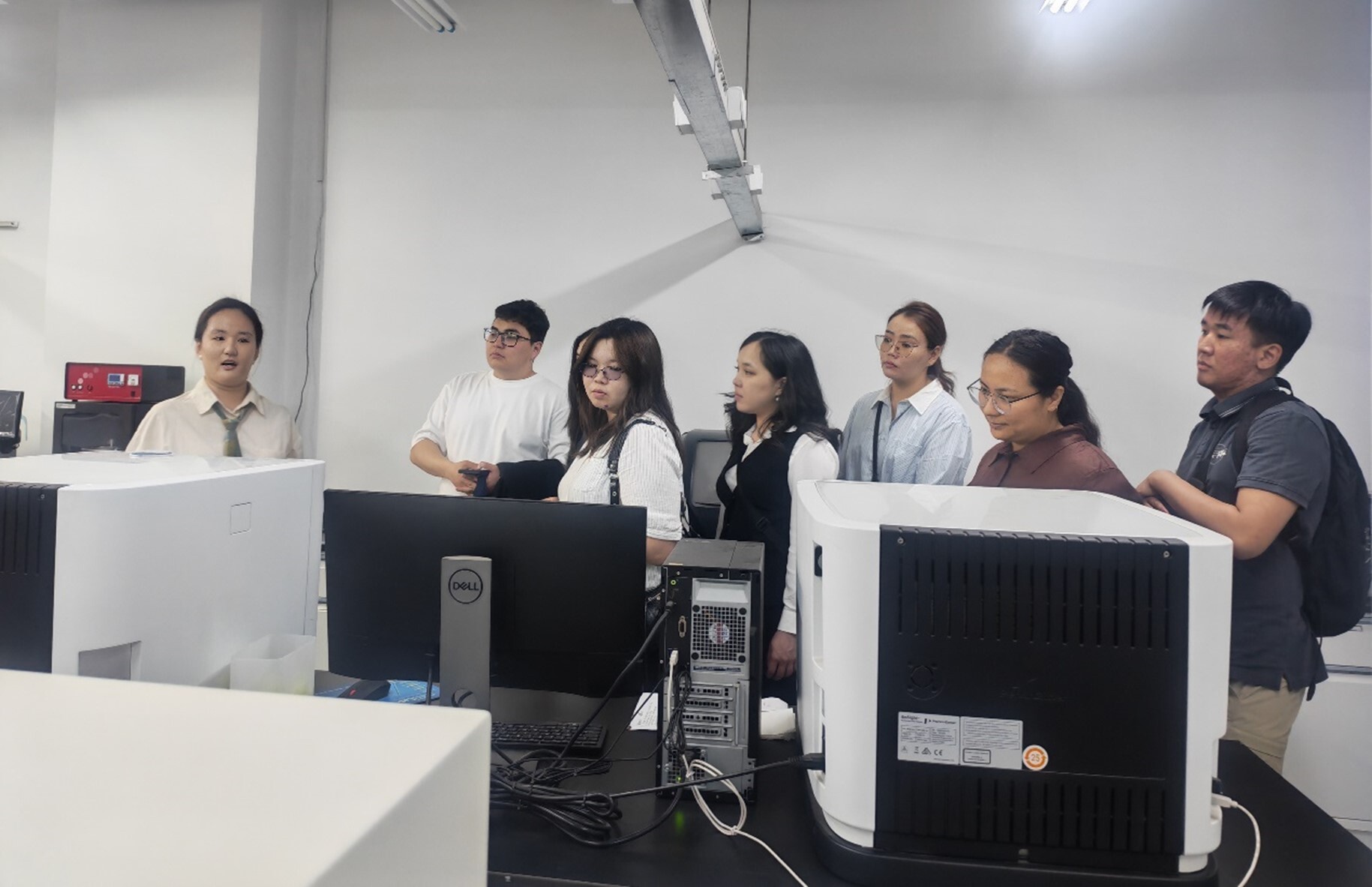
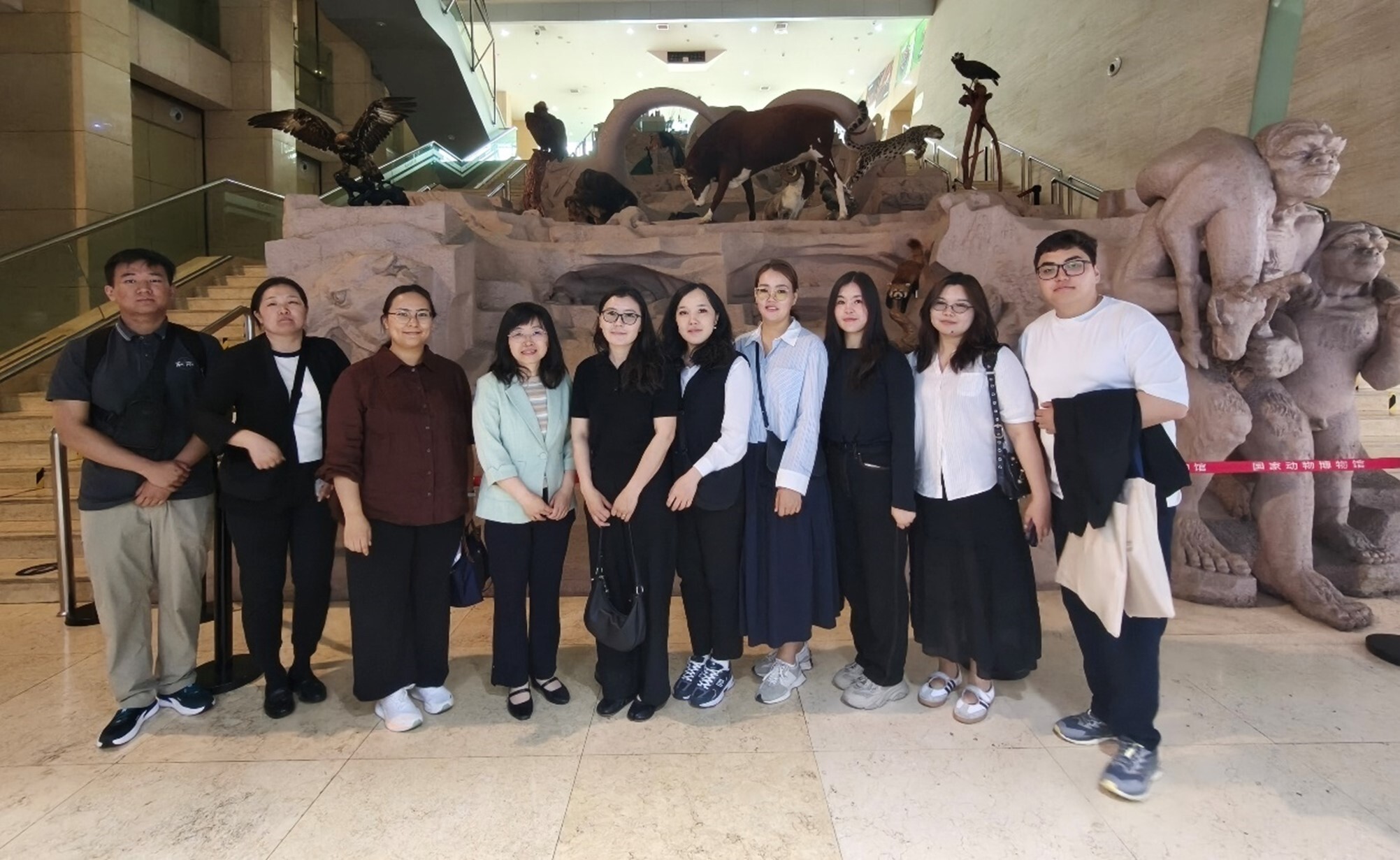
After the progress meeting, the Mongolian delegation visited the Chinese partner’s laboratories and the National Zoological Museum.
This project aligns with the United Nations Sustainable Development Goals for 2030, focusing on environmental health, sustainable agricultural development, and ecological security. By investigating the characteristics of antibiotic resistance and the distribution of related genes across diverse soil ecosystems in Mongolia, it aims to provide scientific support for the sustainable development of animal husbandry and agriculture, and contribute to the high-quality development of the Belt and Road Initiative.







 No.16 Lincui Road, Chaoyang District, Beijing, China
 86-10-84097121
 anso-public@anso.org.cn